

It’s a bad sign when I can recite my credit card number, expiration date, and security code without looking at it. Numbers, unlike words, have often made very little impressions in my head. To this day, I have to run through my entire social security and phone numbers to get to the last four digits. But as I order yet another weird garden plant I ABSOLUTELY do not need, I can type with the utmost confidence my credit card number in its entirety.
And this trend probably won’t abate anytime soon. Because it’s August. And August means so much hot, so much humid, and so much of me complaining and wondering why I got into this occupation.
But then my plants will arrive in September and October and I’ll remember that my connection to plants is (don’t laugh) spiritual and intuitive.
For the record, I have ordered a new rose, a thornless blackberry, a ground orchid, and a Dryopteris I’ve wanted for years and just finally bit my lip and hit “order.” I’ll let you know how they turn out.
So August. If you’re in the south east for any length of time, you know it’s hot and humid now. But the end of August is sort of like May in that it can be unpredictable and weird. The experienced gardener knows this and can be flexible.
General Notes
August is hot and humid so be on the look out for fungal issues. The most prevalent will be powdery mildew. The good news is that powdery mildew is pretty host specific, affecting specific genuses and species rather than the whole garden. Plants like Monarda, sages, species rudbeckia and echinacea can have a lot of powdery mildew and still be healthy. Cut infect plants back and discard the debris in a compost pile or bag. Don’t leave debris lying on the ground as the spores will continue to spread.
Mulch thin areas.
Weeding should be slowing down if you have been vigilant. If you’ve been lax (no judgement, because glass houses and all that), get out early in the day and pull a few weeds while you drink your coffee. It’s better than nothing.
Circulation is still very important, even if you have a cottage style garden. Make sure plants have adequate airflow around them.
Perennials
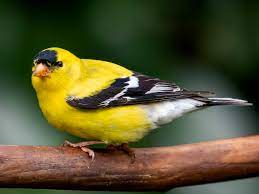
Deadhead plants you do not wish to go to seed or attract birds with. I leave my rudbeckia and echinacea heads on at the end of the month because goldfinches are some of my favorite birds.
It’s a weird time, but iris likes to be divided now. Simply lift out of the soil and divide new rhizomes from old ones and replant. Old iris rhizomes won’t rebloom so they can be discarded.
You may (finally) give asters and mums one final haircut before they start setting buds at the end of the month.
Fertilize blooming perennials with a nice organic fertilizer.
Shrubs
Stop trimming evergreens except random shoots. Cut these down below the general shape. Any shaping should be done with regular pruners, not shears.
If you do the whole gibberillin thing with camellias, now is the time. If you don’t know what that is and don’t plan on being a camellia society person, don’t worry about it. If you do want to be a camellia society person, look up gibberellic acid on camellias and see if it is something you want to do. It’s an interesting hobby.
Roses
Continue to feed anything blooming. Mulch is still needed.
You may see random shoots that look slightly different than the roses that were blooming earlier. Follow these down to the base of the rose and you’ll most likely find they are shooting from below the graft union. The graft is where the grower attached the desired rose to a hardier root stock (we’ll get into this later when it is grafting season). If the root is sending out scions, they can easily over run the grafted rose, so remove them at the base.
Keep a watchful eye for rosette disease. This is rampant among “Knock-Out” varieties. If you see weird growth, cut the whole branch out and sterilize your pruners with every cut.

Trees
Keep em watered cuz they are providing share. I don’t believe in panaceas but trees really are. They make everything better, so give them at least 1” of water a week.
Lawns
Mow no less than 3” from root. Watch for fungal diseases.
Veggies and Herbs
It’s that weird time where some warm season veggies are just about to give up. Tomatoes especially. As plants start to succumb to the humidity, remove them and trash. Don’t compost solanacea in working compost piles as they can introduce tomato blights to your finished product. If you have a lazy compost pile (ie you’re just keeping food wastes out of landfills) you may throw them in there.
Make note of where you planted things if you haven’t already so you can practice crop rotation. Do not plant the same plants in the same place year after year. If you had blight in any of your beds, you’ll want to keep those species out of that spot for about 2 warm seasons.
You may sow bush beans, cucumbers, and bush squash for a late season harvest.
Keep harvesting. It seems counterintuitive but harvesting your herbs and veggies keeps the plants healthier and more productive.
The last week of August you may start planting cool season veggies.
If you don’t want to sow your own but are interested in cool season crops for your garden, please contact me no later than 8/19 for a list of cool season crops my friends can provide.
The Take Away
So much rain and humidity helps fungus thrive. Be watchful.
Water if we get less than 1” of rain in the week. We are getting lots of pop-up showers all over the south east, but they might only be a fraction of an inch at a time.
Harvest everything.
Prune with discretion.
Even with this muggy weather, wipe your brow and connect with your garden. Every time you connect with your garden you are connecting to nature and to a piece of yourself.

 Alchemy Gardens and Design
Hi Joshua,
I’m very interested cool season vegtables your friends have.
LikeLike
Hey Lynne. Email me at joshua@alchemygardendesign.com
LikeLike
I would also be interested in locally grown vegetables for a fall garden.
Enjoyed this post. My rose sent up some weird new growth. Now I know what it is and how to take care of it.
LikeLike
Hey Amy! Definitely take care of that rosette asap!
Send me an email about the veggies, and I’ll send you information. 🙂
LikeLike