
It occurred to me when I was shaking a bottle of Slug-go over my rhubarb and calling them every name I could think of (most of which can’t be mentioned here because this is a semi-professional blog and I want to keep my audience trusting my experience, not questioning my sanity) that this was my first all out battle of the season…which means summer is here.
Growing up in the south always had me confused with those cute little poetic proverbs about the seasons and months because it just doesn’t work the same here. March comes in less like a lion and more like that cousin that shows up uninvited and seems ok at first. By the time they leave, your living room looks like a tornado has gone through it, the toilet seat is permanently broken, and every snack in your kitchen is gone. April showers aren’t really reliable so the May flowers are mostly fleeting and so covered in pollen, they may as well all be yellow. Seriously, does anyone remember the dogwoods even blooming this year?
I don’t really remember what they say about June. A quick google search says there are a lot of little rhymes about rain. Mostly rain in June is good. Like “If on June 15th there be rainy weather, there will be thirty days of rain together.” Let’s all mark our calendars and see.
But what about all those tasks in the garden? I’m getting there.
General Tasks/Observations
Weather proverbs aside, rain and water is a pretty big concern this time of year. Historically, June is one of the drier Spring/Summer months in an area that gets more rainfall than the Pacific North West (it’s true. Look it up if you don’t believe me). So a few pointers before we get started:
Mulch. I know I’ve said this before but seriously, mulch. It helps with water retention and helps keep roots cool. We also have a lot of clay (duh) in our soil, so letting it get hot and dry will end up creating a compact, hard, no good mess. Try planting in a brick.
Containers are wonderful adornments to the garden. For those with only patios or otherwise limited space, containers may be the only way of enjoying a garden. When picking out containers, size does matter and bigger is better. I love a 4” terra cotta pot with a single begonia blooming its heart out as much as the next guy, but the practicality is non existence. The bigger the container filled with a high quality potting mix (not top soil or planting mix) will be easier to maintain, especially in full sun. Glazed pots also tend to wick less moisture away from the plants compared to unglazed pots. Water crystals can also help in pots (but are useless in native soil beds). I find that hitting the same pot several times during watering is more effective than letting the hose flood the pot until the water runs over the sides. You want to get as much water into the soil. The outside of the pot doesn’t matter.
Water the soil when possible. Watering leaves can lead to the spread of fungus during hot humid days. But we don’t have to get precious about it. Just do your best.
Perennials and Annuals
Spring bulbs are probably looking tired. I like to tie the foliage into a knot and set it on the ground. Some people cut this off. I’m sure that is fine, but I feel letting the leaves gather as much sun as possible will give the bulbs more energy for next year.
Continue cutting back chrysanthemums and asters for showier fall blooms on more compact plants.
As blooms fade from other perennials, feel free to deadhead. For some perennials, this will stimulate them to bloom again. For others it will prevent them from seeding, which can lead to longer living perennials. If you do this religiously enough, you’ll start to have dreams of deadheading. Which can be either frightening or therapeutic. Depends on what you’re deadheading.
Some perennials may start showing powdery mildew now. I use organic fungicides as soon as I see issues. You’d be horrified at how quickly fungus issues spread.
Annual season is in full swing. Seed zinnias, cosmos, and others now. Begonias, angelonia, celosia, and the like can be purchased at your local nursery.
A gentle reminder that perennials last…perennially. Annuals only last annually.
Roses
All roses that have finished blooming can be pruned to encourage lateral growth. This especially helps climbing roses, like ‘Lady Banks.’ Roses that are still blooming need to be fertilized monthly, including knock-out roses. Continue to fertilize roses that are still blooming.
Shrubs
Evergreen shrubs can be pruned to control size. If you haven’t finished shearing, be sure to finish by mid month. You may have some ragged edges in winter, but nothing too unseemly. Continue to prune out “flyaways/waterspouts.” These are those branches that get a wild inkling to grow fast and furious for no known reason. Ok, there is a reason, but we aren’t going to go into it. Just cut them out. Also remember to make your cuts with clean, sharp pruners and go several inches below where you want the shrub to be…because they still grow.
This is the last month to fertilize camellias, azaleas, and other broadleaf evergreens.
If you have an azalea you’re trying to match, now is a good time to try layering. A quick and easy way to propagate, layering requires a flexible branch, a rock or brick, and patience. Simply bend a branch to the ground, place the brick on it so the stem is making contact with the soil, and cover with a little bit more soil. By fall, roots should have grown and you can cut the new shrub off from the parent plant. Free plant. Sorta.
Trees
If your trees are under 2-3 years old, continue to water deeply when the weather isn’t being kind.
Fertilize evergreen trees. You may prune gymnosperms/conifers now to encourage them to get fuller.
Keep an eye out for borers (insects, not people) and galls. If spotted, contact your local arborist for assistance.
Veggies and Herbs
Your cool season veggies should be approaching the end of their usefulness. Sometimes kale was and collards can persist if they are getting afternoon shade. Carrots and beets need to be harvested unless you are open pollinating them. The benefits of open pollinating is eventually the plants that are best adapted to our region will produce seeds best adapted to our region.
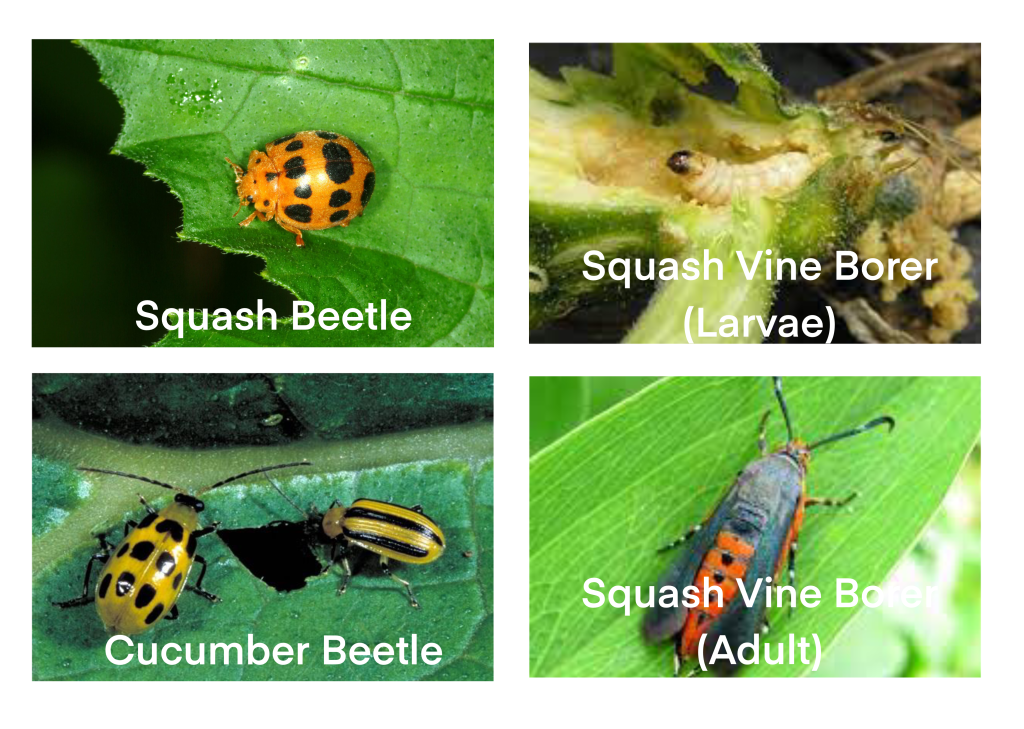
Curcurbits produce both male and female flowers. Cucumbers start producing female flowers pretty early on. Your squash plants may take a bit before they start producing. But they will. Keep an eye out for cucumber beetles, squash bugs, and squash vine borers.
22 years doing this and I’m still not clear on pruning suckers from tomatoes. For me, more suckers is more flowers is more more fruit. I remove spent leaves, but leave the suckers. But you know, you do you if you have to prune the suckers. Be on the lookout for blights in solanacea. Proper crop rotation will be key to controlling blight (see previous entry).
Plant mint in a pot. Trust me on this one. Pots. Even if you want to be mint farmer. Even if you eat mint at every meal and drink mojitos for every drink. Pots.
Give basil lots of room to grow and plant of circulation to prevent fungus issues. True story; I had Covid-19 in early 2020 and Italian basil now smells like cat urine to me and doesn’t taste good. Which makes me sad because I make a great caprese salad with portobello mushrooms and asparagus. Thai basil is still fine for me. Weird.
Try a new herb in your garden this year. Herbs are great companions to so many plants and are super rewarding. Even if you don’t eat them. Fennel supports anise swallowtail butterflies and their adorable offspring. There are so many basil types and they smell so nice in the summer heat (I mean, as long as you didn’t get the OG covid virus). Lemon grass, lemon balm, and citronella all produce limonene which repels some insects when the leaves are bruised. Thyme can create a wonderfully fragrant groundcover. Mexican tarragon is an easy, no fuss herb that I will feature as my plant of the month in October.
Experiment and enjoy.
The Take-Away
Water is crucial and you should be monitoring it. I’m not a huge fan of most irrigation systems (another blog for another time) but something is better than nothing.
Give plants a little space for air to circulate. Watching for pests and fungus will be the big thing this time of year (aside from water).
Fertilize anything growing.
Deadhead perennials. It’s good for you and the plants.
Try herbs. They are also good for you.
Enjoy the warming weather. Enjoy your garden. Every time you connect with your garden, you are connecting to nature and a piece of yourself.

 Alchemy Gardens and Design
Love all the great information served up with wonderful humor. Gardening has become a source of passion, hatred (plants die eventually or rapidly) and both feel like shit. But the lacy leaf twigs l planted thirty years have taught me so many life lessons , mainly patience and nurturing. I also rescue ,rehabilitate and find dogs new loving homes. Don’t know where l would be during the pandemic so l’m thrilled l had both. Thanks so much for sharing your experience and knowledge.
LikeLike